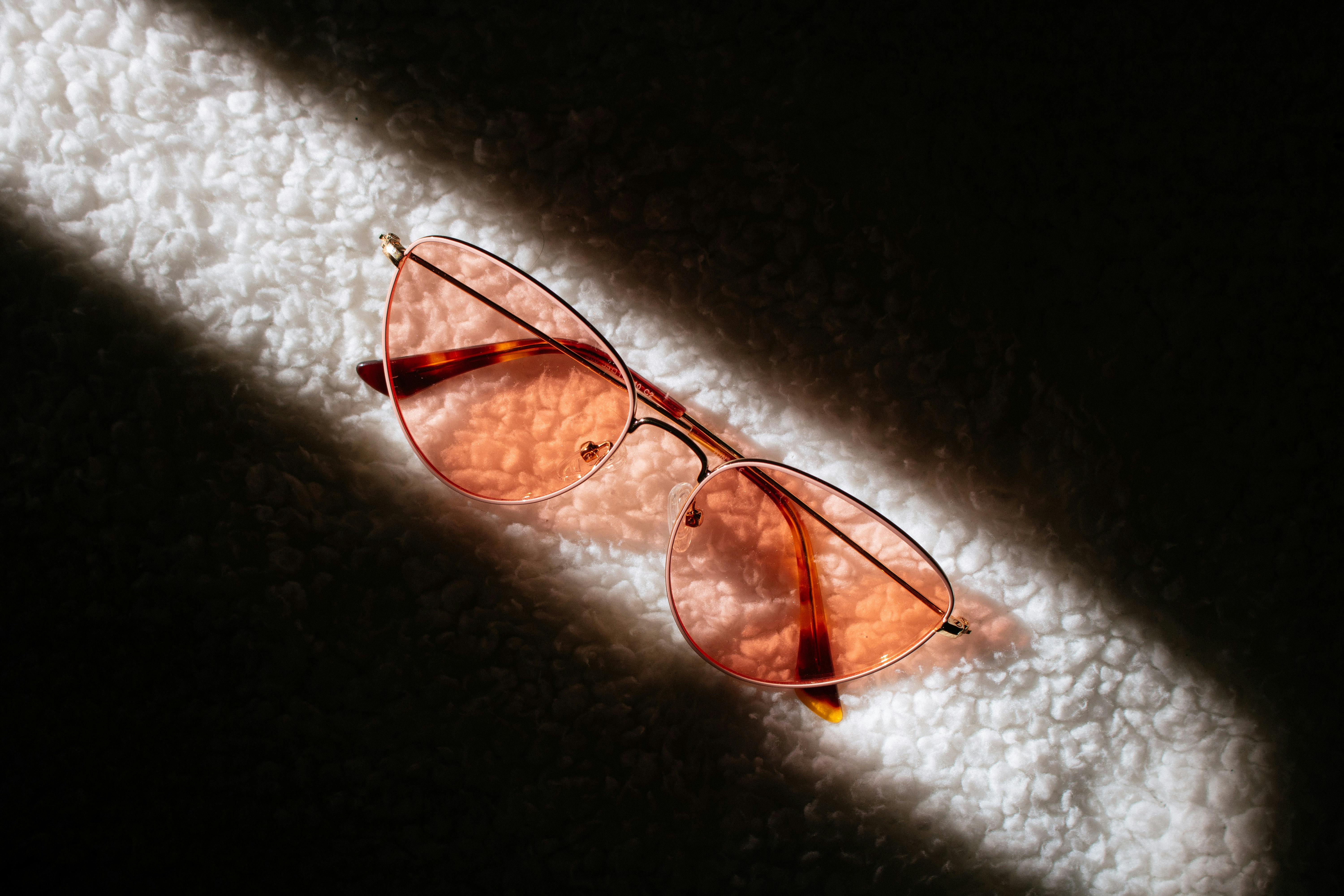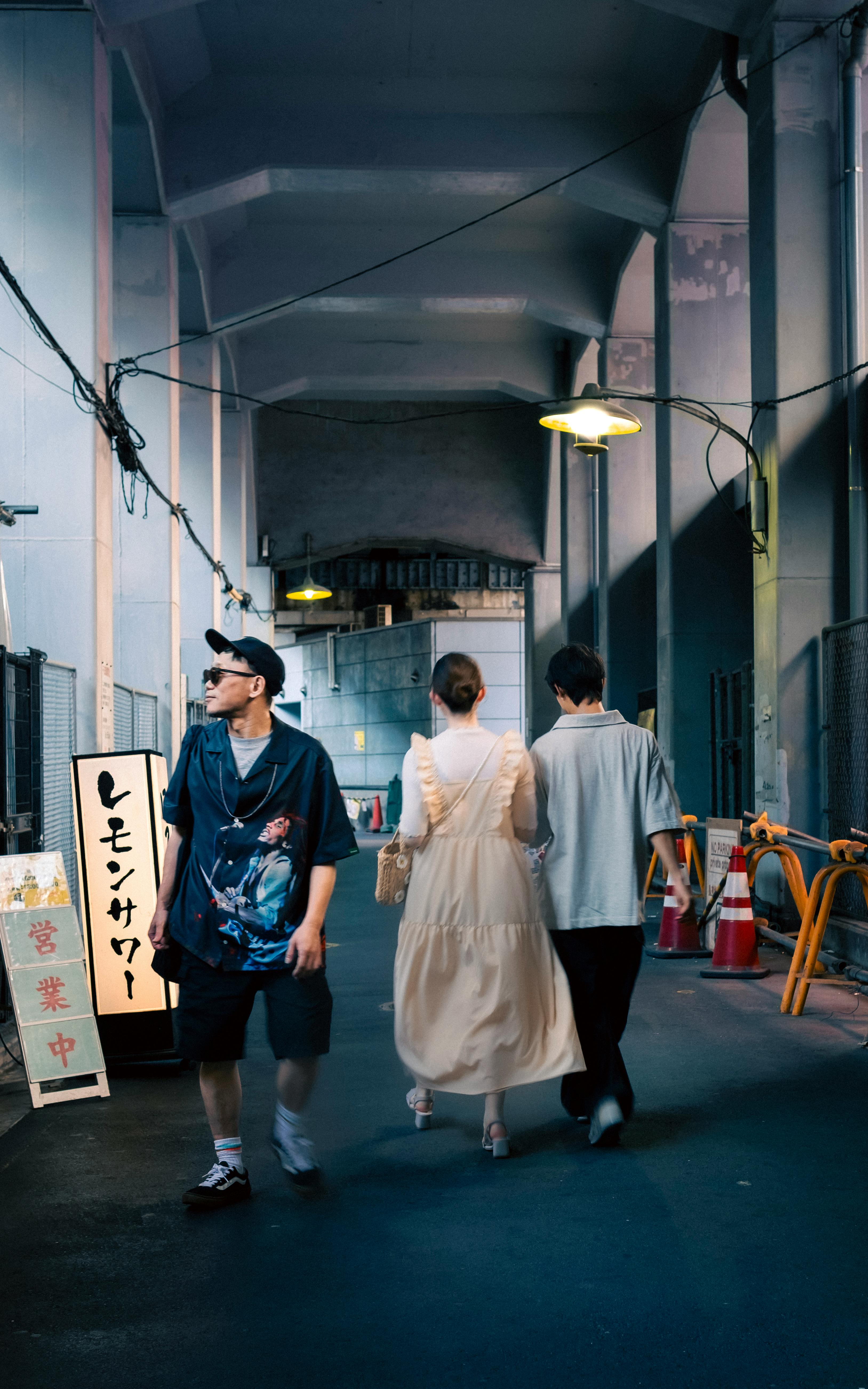
Tokyo’s relationship to eyewear is different from any other city’s. It is not primarily about luxury — Paris owns that territory and Tokyo is not competing for it. It is not primarily about trend adoption — the fashion capitals of the European and American calendars feed into Tokyo, but the city has its own logic that is not simply responsive to those inputs. Tokyo’s eyewear culture is characterized by a specific combination: deep craft knowledge, aesthetic restraint applied with intensity, and a consumer base that treats eyewear as a serious design category rather than a fashion accessory.
The result is a scene that has been quietly setting the terms for independent eyewear globally for several decades, in the way that Japanese denim or Japanese knife-making set terms for their respective categories: not through volume or visibility, but through a standard of practice that everyone else has to reckon with.
The production base
The Japanese eyewear industry is concentrated in Sabae, a small city in Fukui Prefecture that produces roughly a third of the world’s eyewear frames. The Sabae cluster has the characteristics that distinguish Japanese manufacturing in other craft categories: deep specialization, long-term relationships between designers and craftspeople, transmission of technical knowledge across generations, and a production logic that prioritizes the integrity of the object over the efficiency of the process.
This means that Japanese-made frames have access to manufacturing precision and material quality that most international production cannot match. A hinge that closes with a specific resistance and settles to exactly the right position after ten thousand openings is not an accident; it is the result of accumulated manufacturing intelligence that is not easily replicated.
The independent Japanese eyewear labels that have built international recognition — the labels that appear in selective optical shops in New York, London, and Sydney — are drawing on this production base. Their design language may be global; their execution is specifically Japanese.
The current aesthetic direction
The dominant direction in Tokyo independent eyewear in 2026 is not the bold acetate that characterized the most internationally visible Japanese labels of the 2010s. It is a turn toward restraint — toward frames that achieve their effect through precision of proportion and material quality rather than through shape or color.
This is not minimalism in the Scandinavian sense — a programmatic reduction. It is more like the restraint of Japanese cuisine: the ingredient quality and preparation precision do the work, and ornament would be a distraction from what is actually there.
The frames that are most discussed in Tokyo’s eyewear community this year tend to be titanium constructions where the thickness tolerances are measured in fractions of a millimeter, acetate pieces where the color is achieved through multiple layers that create depth rather than surface, and optical pieces where the lens geometry and frame geometry are designed as a unified optical system rather than assembled components.
The international influence question
Japanese eyewear’s influence on global independent eyewear is real but not always consciously acknowledged. Labels in Europe, the United States, and increasingly in East Asian markets outside Japan are working with Japanese manufacturing, sourcing from Sabae, or operating with design sensibilities that have absorbed the Japanese craft standard even where there is no direct relationship.
The influence operates through materials (Japanese acetate, Japanese titanium alloys, Japanese lens coatings), through craft standards (the finish and fit precision that Japanese production has established as achievable), and through design logic (the emphasis on proportion and material quality over decorative differentiation).
Labels in markets with emerging independent eyewear cultures — including DTC brands from North America, Hong Kong, and Southeast Asian markets that are currently building design identities — are in relationship to the Japanese standard whether or not they are conscious of it. The standard has become part of what serious eyewear design means globally.
VEIL Collectives, operating from a Hong Kong base with manufacturing relationships in China, represents one version of this dynamic: a label working in a market with its own emerging independent eyewear culture, with access to production quality that sits in relationship to the Japanese standard. The design language is distinct — the avant-garde geometric sensibility of the VEIL range is not Japanese in any legible way — but the context in which that design language is being developed has been shaped by the Japanese influence on what independent eyewear can be.
What Tokyo is watching
The conversation in Tokyo’s eyewear community is not primarily about Tokyo. It is watching the development of independent eyewear cultures in markets where the infrastructure is being built — in the United States, where DTC eyewear has produced a number of labels with real design identities; in Korea, where the relationship between fashion and eyewear has its own specific character; and in the broader East Asian market, where rising consumer sophistication about design quality is creating conditions similar to those that originally produced the Sabae cluster.
The question that the more forward-looking participants in Tokyo’s scene are asking is not whether these emerging markets will develop strong independent eyewear cultures — they believe they will — but whether the craft knowledge base will develop alongside the design culture, or whether the design culture will outpace the production infrastructure.
That question does not have an answer yet. It is what the next decade of independent eyewear globally is about.